
How Smart Technology and Renewable Energy are Shaping the Future of Sustainable Living
The merging of smart technology with renewable energy is reshaping our everyday lives. With growing concerns about climate change and the depletion of natural resources, innovative solutions are here to make our living environment better for us and the planet. This post will explore how smart home technology and renewable energy systems are changing modern living, emphasizing their effects on energy efficiency, comfort, safety, and sustainability.
The Rise of Smart Home Technology
Smart home technology encompasses a range of devices that connect to the internet, allowing homeowners to control various aspects of their homes from anywhere. Devices like smart thermostats, smart lighting, and security cameras fall into this category. Thanks to the Internet of Things (IoT), these devices can communicate with each other, making life more convenient.
One major advantage of smart home technology is increased energy efficiency. For example, the Nest Learning Thermostat can adjust itself based on your heating and cooling preferences. A study from Nest found that users saved an average of 10-12% on heating and 15% on cooling, leading to noticeable reductions in utility bills.
Smart lighting systems like Philips Hue allow homeowners to remotely control lights and schedule them. By using energy-efficient LED bulbs and sensors, homeowners can save up to 40% on lighting costs, as lights are only on when needed.
Automation Systems for Enhanced Comfort and Safety
At the core of smart home technology are automation systems that help create tailored living environments. These systems can manage lighting, heating, security, and entertainment.
For instance, you can set a smart home automation system to turn off all lights, adjust the thermostat, and lock doors when you leave for work. This convenience not only enhances comfort but also boosts safety by ensuring your home remains secure.
Smart security systems, such as Ring or Arlo, provide real-time monitoring and alerts. With features like motion detection and smartphone notifications, homeowners can keep an eye on their properties from anywhere. A report showed that homes equipped with security cameras experienced a decline in burglaries by 50%, offering peace of mind.
The Role of Renewable Energy in Sustainable Living
As smart home technology develops, incorporating renewable energy sources becomes vital. Solar power stands out, especially for homeowners seeking to decrease their carbon footprint and gain energy independence.
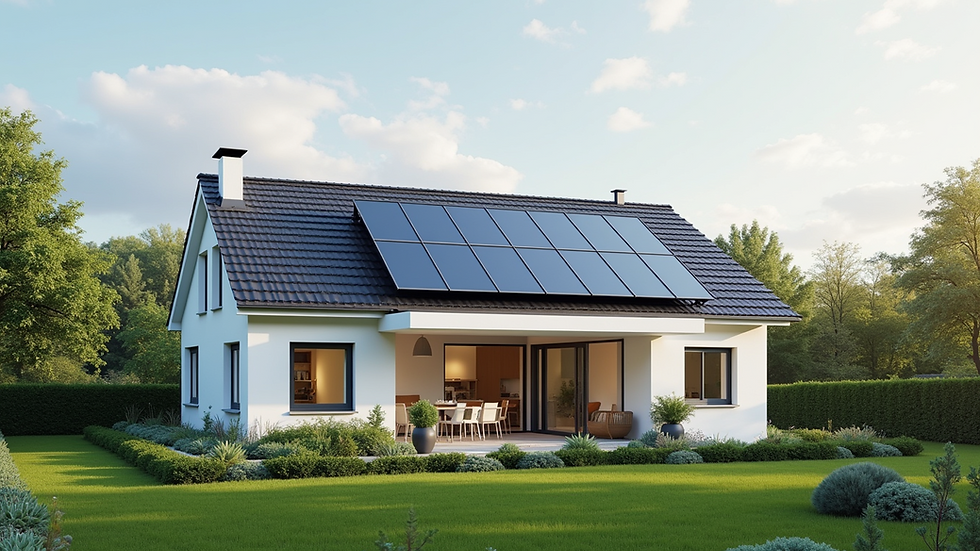
Solar panels convert sunlight into electricity, providing an eco-friendly energy source. With solar installations, homeowners can generate their own power, reducing dependency on fossil fuels, and cutting energy bills significantly. According to the Solar Energy Industries Association, the cost of solar panels has dropped by 82% since 2010, making it more accessible.
Combining solar energy with smart technology can lead to even higher energy efficiency. Smart energy management systems allow homeowners to monitor their production and consumption in real time. This ensures that energy use is optimized based on availability, maximizing the benefits of solar energy and promoting a sustainable lifestyle.
The Impact on Comfort and Quality of Life
Integrating smart technology and renewable energy significantly improves homeowners' comfort and quality of life. The ability to control home settings remotely allows for personalized living conditions.
For example, smart systems can automatically adjust lighting and temperature based on the time of day or level of occupancy, maintaining comfort throughout the day. Additionally, smart appliances can be programmed to operate during off-peak hours, when energy costs are lower, providing savings and convenience.
Moreover, using renewable energy sources creates a healthier living environment. By reducing reliance on fossil fuels, homeowners can lower air pollution and greenhouse gas emissions, contributing to a cleaner future. According to the Environmental Protection Agency (EPA), transitioning to renewable energy can reduce overall greenhouse gas emissions by as much as 80% by 2050.
Sustainability and the Future of Smart Living
Looking ahead, the connection between smart technology and sustainability will strengthen. Advances in renewable energy, energy storage, and smart tech are paving the way for a more efficient and eco-friendly lifestyle.
For instance, improvements in battery technology enable homeowners to store excess solar energy for later use, particularly during peak demand times. This not only enhances energy independence but also stabilizes the grid, reducing the reliance on traditional power plants.
Additionally, the creation of smart cities that utilize IoT technology is driving sustainable practices forward. Cities integrating renewable energy, smarter transportation options, and waste management systems can lower their environmental impact and enhance residents' quality of life.
Final Thoughts
The shift towards smart technology and renewable energy is not just a trend; it’s a crucial response to today’s challenges. By adopting these innovations, homeowners can increase their comfort, enhance safety, and play a part in building a sustainable future.
As we continue to explore the potential of smart home technology and renewable energy, staying informed and engaged is key. By making thoughtful choices and investing in these solutions, we can all contribute to a greener, more sustainable world.
The future of sustainable living looks bright. With the right tools and knowledge, we can create homes that are not just smart, but also environmentally friendly. Embrace this change and let technology guide you to a more sustainable lifestyle.


Comments